Where to Find Wholesale ISO Standard Cleanroom Solutions for Laboratories?
If you want to find cleanroom solutions for your lab, Liba is a great place to start. They offer wholesale options for ISO standard cleanrooms. ISO standards are rules that make sure cleanrooms work well and stay clean. You can visit Liba's website to see the different types of cleanrooms they have. They have lots of information about what each cleanroom includes. If you are not sure what you need, Liba's team is ready to help you. They can give you advice on what size cleanroom will work best for your battery lab. You can also ask them about the materials used in the cleanrooms. They know a lot about what makes a modular cleanroom effective. Many labs choose Liba because they trust their experience. The company has been around for a while, so they understand what labs really need. Sometimes, you can even find special deals or discounts if you buy in bulk. This can save your lab a lot of money. You can also check local suppliers who work with Liba or attend trade shows where Liba displays their cleanroom options. Talking to other lab managers can help you find the right solutions too. They might share their experiences with Liba and how the cleanrooms have helped them. Overall, finding the right cleanroom solution is important for your lab work and Liba is here to help you every step of the way.
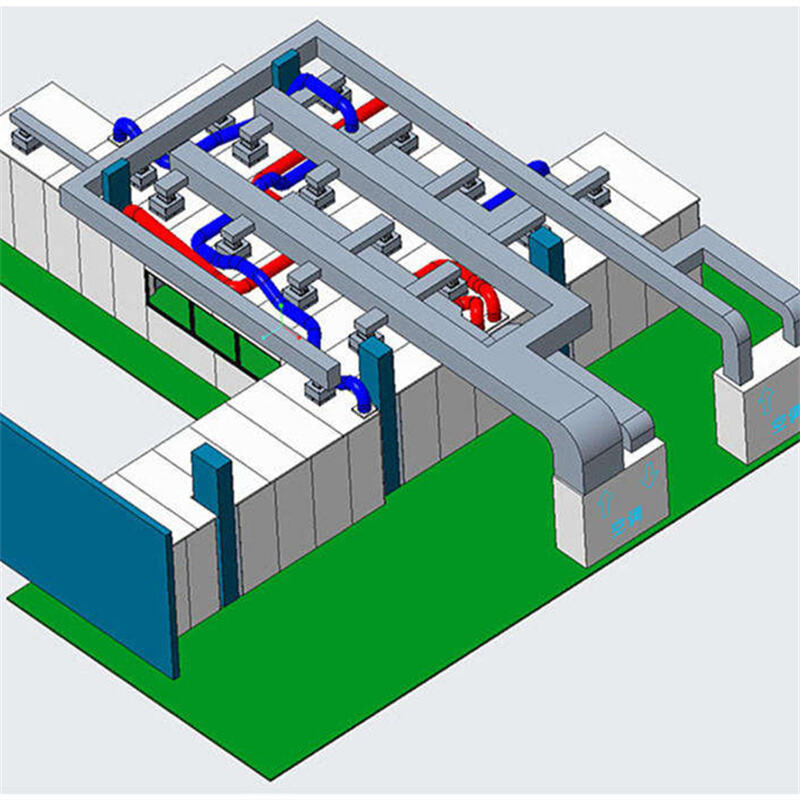
What are the Benefits of Modular Cleanroom Design for Battery Testing?
Modular cleanrooms are a smart choice for battery testing, and there are many reasons for this. First, they can be built quickly. If a lab needs to start testing batteries right away, a modular cleanroom can be set up faster than a traditional one. This means the lab can begin important work sooner. Liba designs their cleanrooms to be flexible. This means they can be changed later on if the lab needs more space or a different setup. For example, if a lab starts testing a new type of battery that needs different conditions, they can rearrange the cleanroom without too much trouble. Another benefit is that modular cleanrooms can save money. Building a whole new cleanroom can be very expensive, but with a modular design, labs can save costs and still get a high-quality space. They also help keep the environment in the lab stable. Battery testing requires precise conditions, and modular cleanrooms are designed to keep everything just right. The air is filtered, and temperature is controlled, so the tests can be very accurate. Additionally, having a cleanroom helps protect the batteries from dust and other things that could ruin the tests. It makes the whole process safer and more reliable. This is why many battery labs are choosing modular cleanrooms from Liba. They provide the perfect combination of flexibility, cost-effectiveness, and cleanliness, which are vital for successful battery testing.
How to Address Common Issues in Battery Laboratory Cleanroom Layout?
When building a cleanroom for battery laboratories, there are some common problems that can come up. One big issue is keeping the air clean. Cleanrooms need to have special air filters that can catch tiny particles. If these filters are not working well, dust and dirt can get into the modular cleanroom, which is not good for the batteries being tested. To fix this, it’s important to regularly check and change the filters. Another problem is the temperature and humidity levels. Batteries can be sensitive to heat and moisture. If the cleanroom is too hot or too humid, it can affect how the batteries work. To solve this, battery laboratories should have systems that can control the temperature and humidity. This way, the environment stays just right for testing. Another common issue is the layout of the cleanroom. If the layout is not designed well, it can be hard for workers to move around and do their jobs. For example, if the space is too cramped, workers might bump into each other or drop things. To prevent this, Liba recommends planning the layout carefully. It should have enough space for people to walk around and for all the equipment they need. Also, there should be clear paths for moving materials in and out of the cleanroom. This will help keep everything organized and safe. Lastly, communication is important in a battery laboratory. If workers do not talk to each other, mistakes can happen. Having a good layout can help workers communicate better. For example, placing workstations close together can make it easier for team members to share ideas and ask questions. By addressing these common issues, battery laboratories can create a cleanroom that is safe, efficient, and effective.
What are the Key Features of an Effective Battery Laboratory Cleanroom?
An effective battery laboratory cleanroom has several key features that help ensure it works well. First, it must have high-quality air filtration systems. This means using special filters that can clean the air from dust, germs, and other tiny particles. These filters help keep the air inside the cleanroom safe for testing batteries. Liba suggests using HEPA filters, which are known for their ability to trap very small particles. Another important feature is temperature and humidity control. Batteries can be affected by heat and moisture, so the cleanroom should have systems to keep the temperature cool and the humidity low. This helps ensure that the batteries are tested under the right conditions. Finally, an effective battery laboratory cleanroom should include safety features. This could mean having emergency exits, fire extinguishers, and first aid kits. It’s also important to have safety protocols in place so that everyone knows what to do in case of an emergency. By including these key features, battery laboratories can create a cleanroom that is effective, safe, and ready for testing batteries.
How to Ensure Compliance with ISO Standards in Battery Testing Facilities?
To make sure a battery testing facility follows ISO standards, there are several steps to take. First, it is important to understand what the ISO standards require. ISO stands for the International Organization for Standardization, and their standards help ensure quality and safety in different industries. For battery testing facilities, ISO standards focus on cleanroom conditions, equipment, and testing processes. Liba recommends starting by reviewing the specific ISO standards related to battery testing. This will provide a clear understanding of the requirements. Next, training staff is essential. Everyone who works in the facility should know about the ISO standards and why they are important. This can be done through regular training sessions and workshops. Workers should learn how to maintain modular cleanroom conditions, operate equipment properly, and follow safety procedures. Keeping records is another important step. It is necessary to document everything, from cleaning schedules to equipment maintenance. These records show that the facility is following the ISO standards. Liba suggests using digital systems for tracking and managing these records, as they can make it easier to stay organized.